Scurry
Designathon Winner
Role
UX Designer
Scope
24 hours
Skills
UX/UI App Design
User Research
Prototyping
Year
2024
Context
Designverse is an annual designathon at UC Riverside for designers of all skill levels. Teams had only 24 hours to define a problem and design a solution, which would then be presented a judging panel of industry professionals.
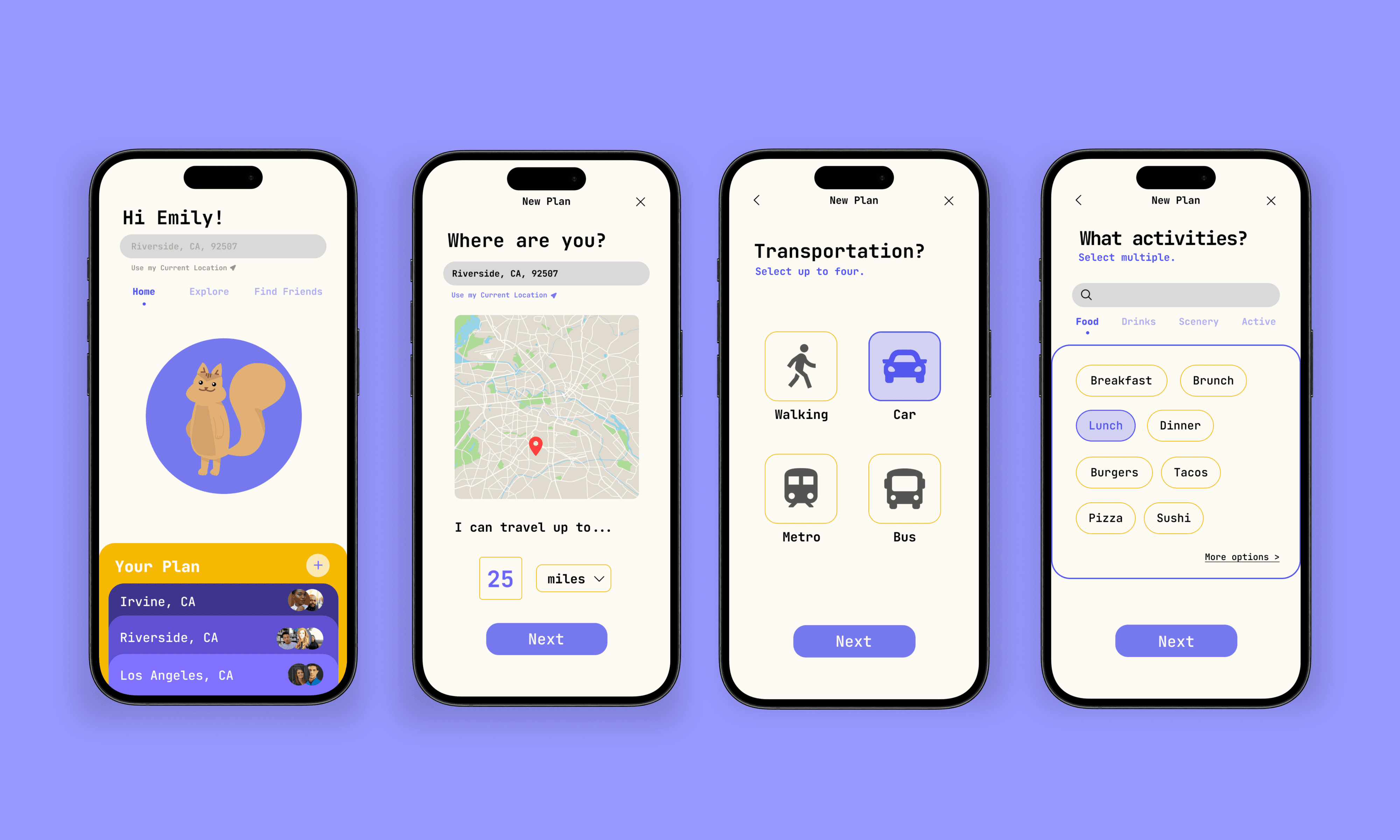
Our solution is Scurry, an event planning app that helps non-local students curate weekend activities and schedule plans. Working with 3 other designers, I leveraged multiple research methodologies to inform design decisions and refined my wireframing and prototyping skills to win my very first design competition.
Too much to do, not enough time.
When planning what to do with their free time, non-local and out-of-state students not only encounter the issue of having an overwhelming number of activities to choose from, but must also deal with the added stress of coordinating the operating hours and travel time for multiple locations.
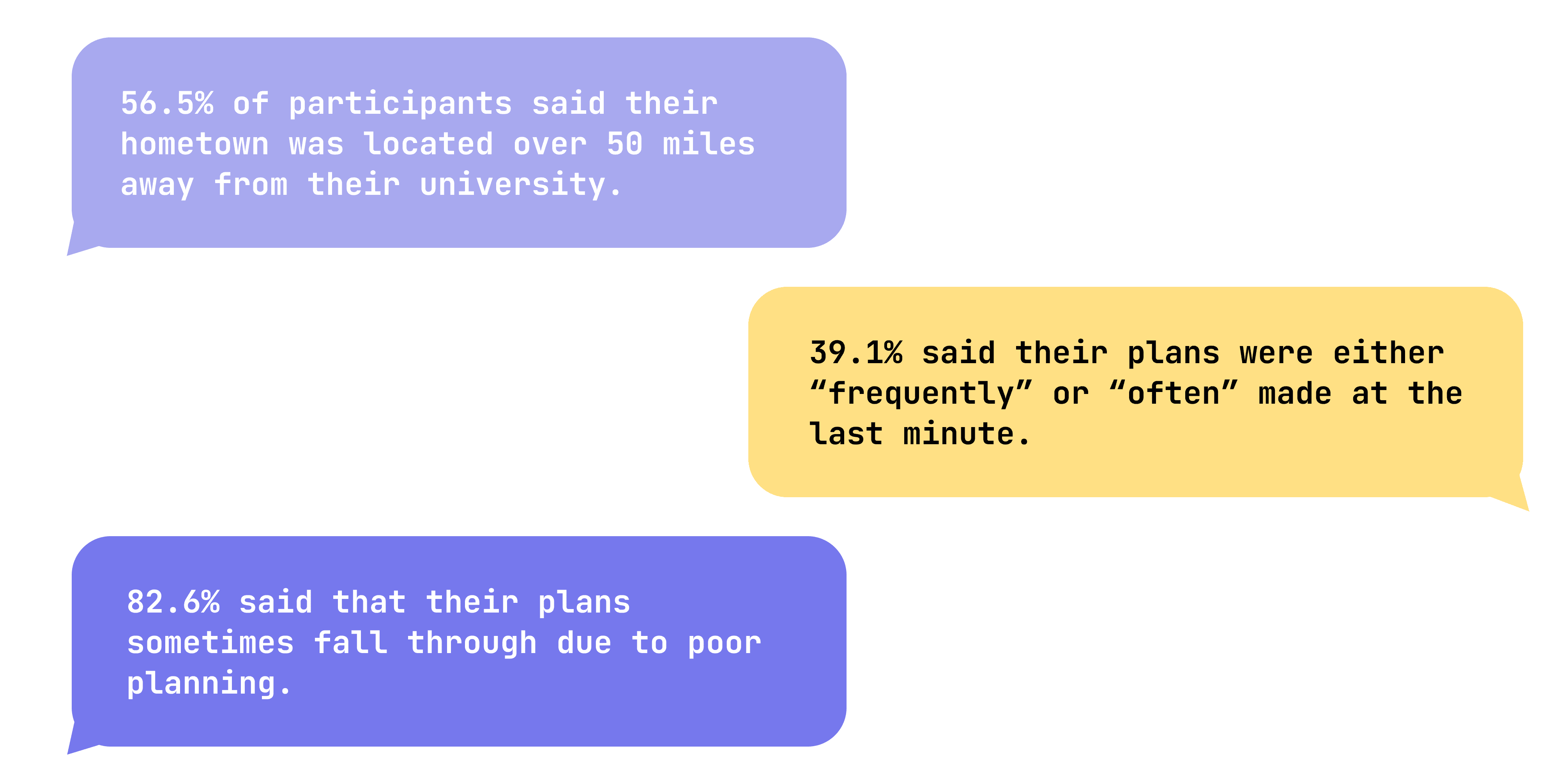
We surveyed 23 college students and found that …
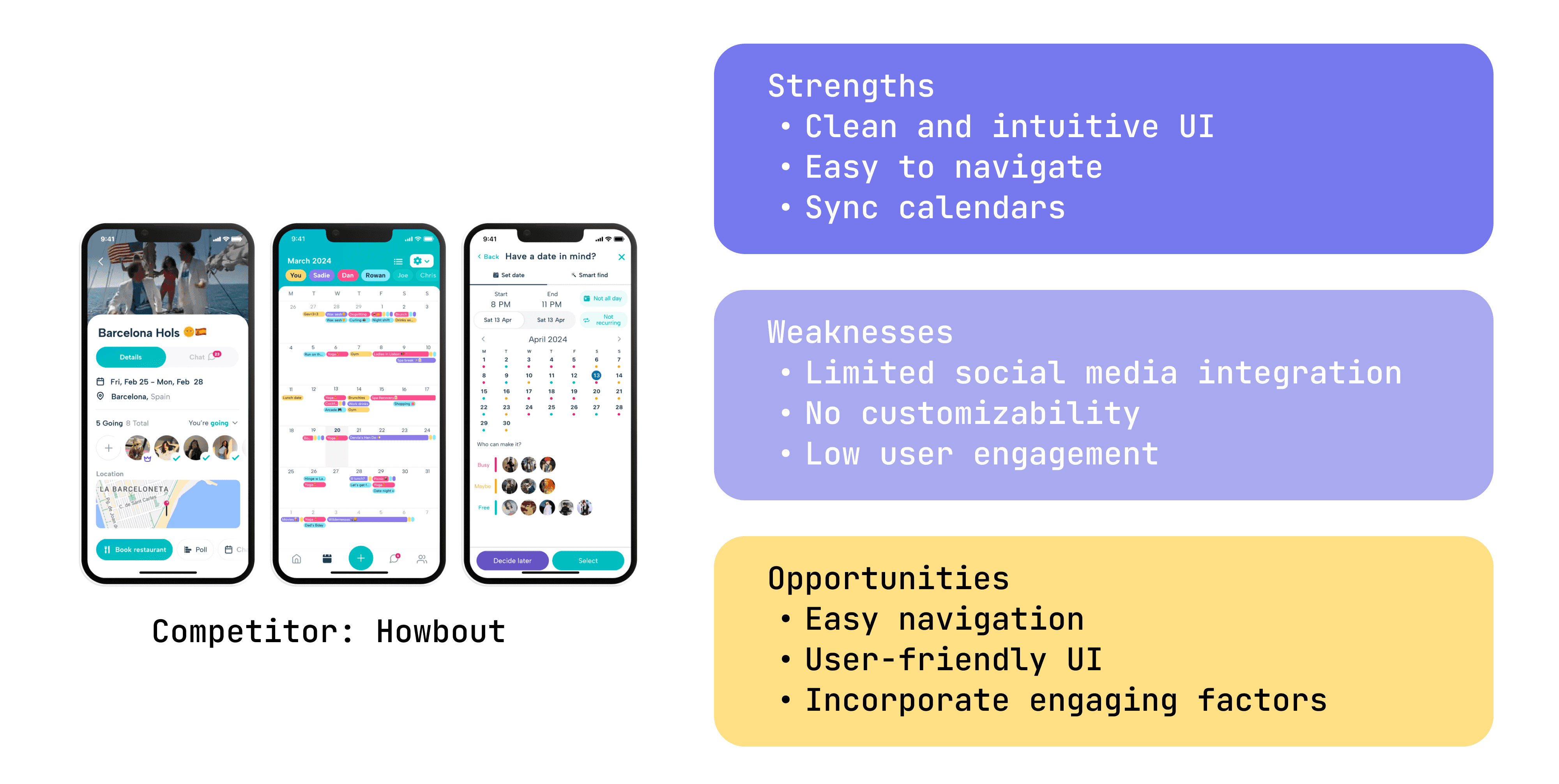
Through competitive analysis, we identified the strengths and weaknesses of potential competitors, and gained insight on opportunities for us to best help users.
Ideation + Design
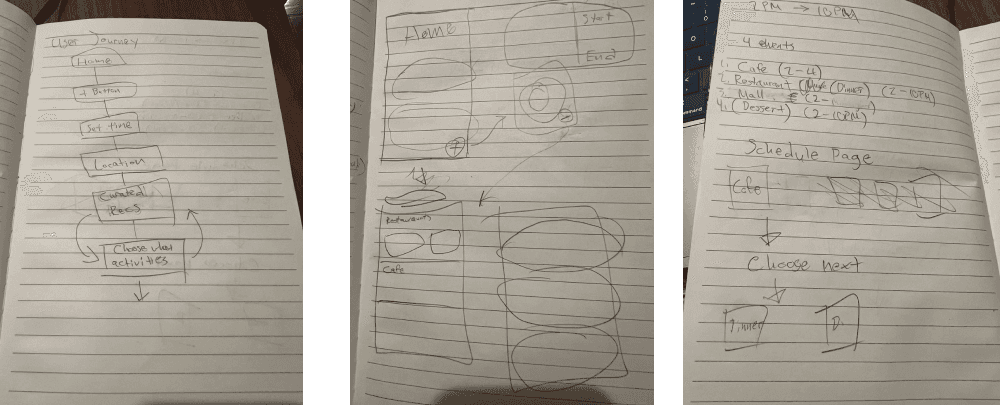
Brainstorming ideas by visualizing concepts through sketches allowed us to consider multiple alternative solutions and lay the initial groundwork for our user journey.
We brought these ideas to life with low fidelity wireframes, and charted the user's journey.
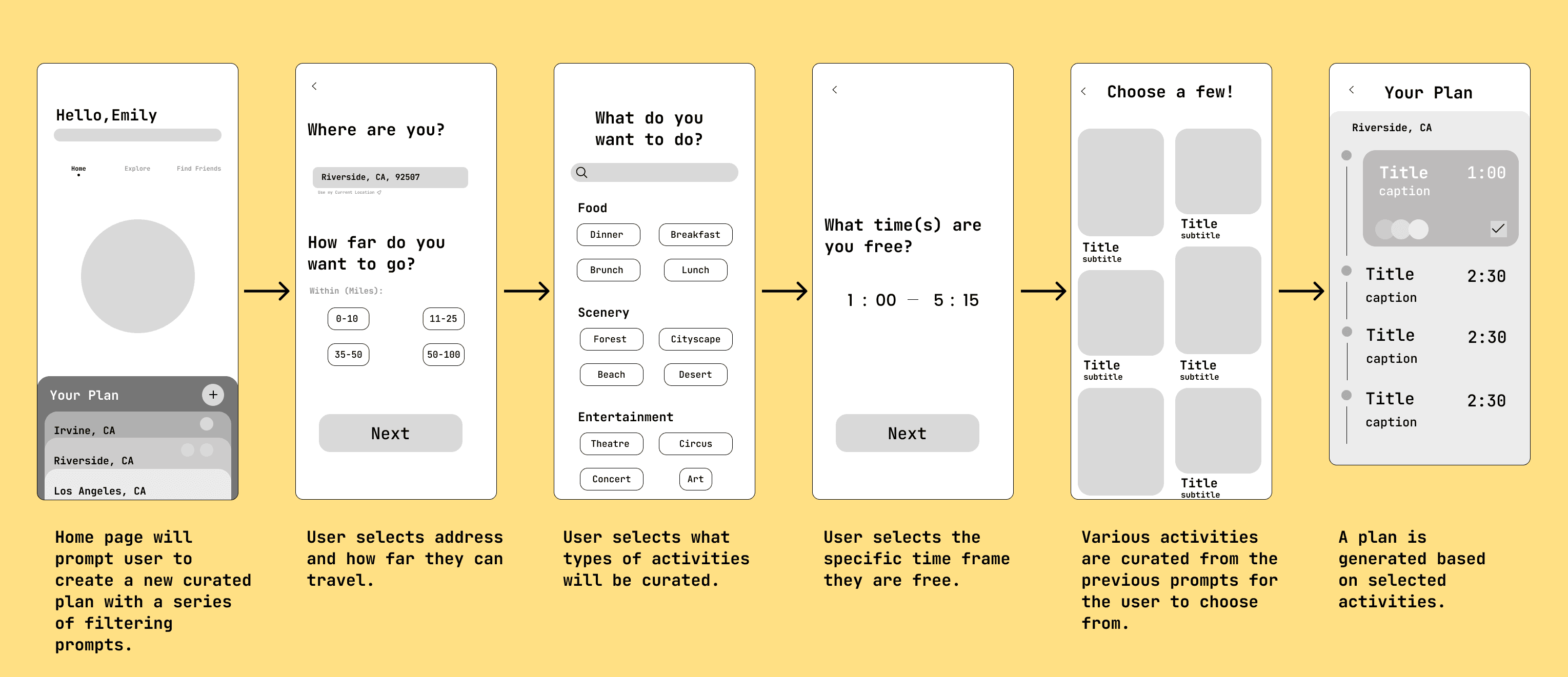
We further refined the wireframes in high fidelity, then created a working prototype with animations and a pitch deck to present to the judges…
… and after a grueling 24 hours, we presented Scurry to the judging panel and won the first place award for the Visionary's Challenge track!
Challenges
The 24-hour time constraint meant less time to gather research data and suboptimal designs that could have been improved with additional iterations.
Moving too quickly into the wire-framing stage and deprioritizing research resulted in wasted hours and unnecessary redesigns that could have been avoided with a solid foundation.
Takeaways
Always conduct thorough research and user testing to validate your designs ideas.
The early stages of design are most important in establishing a guideline for the rest of your design process, and will save so much time in the long run.
When in doubt, think of the user.
The Next Step: Iteration
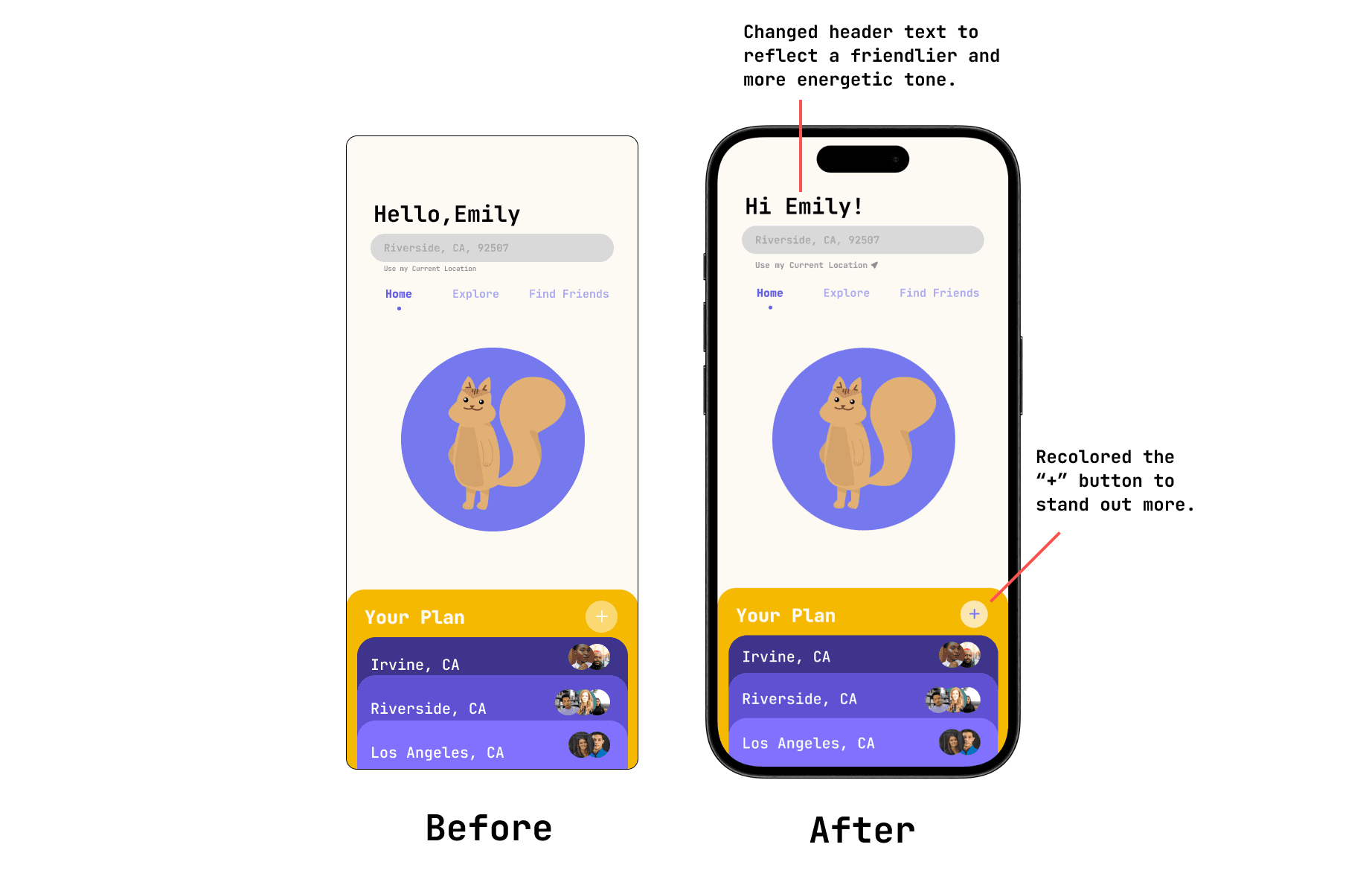
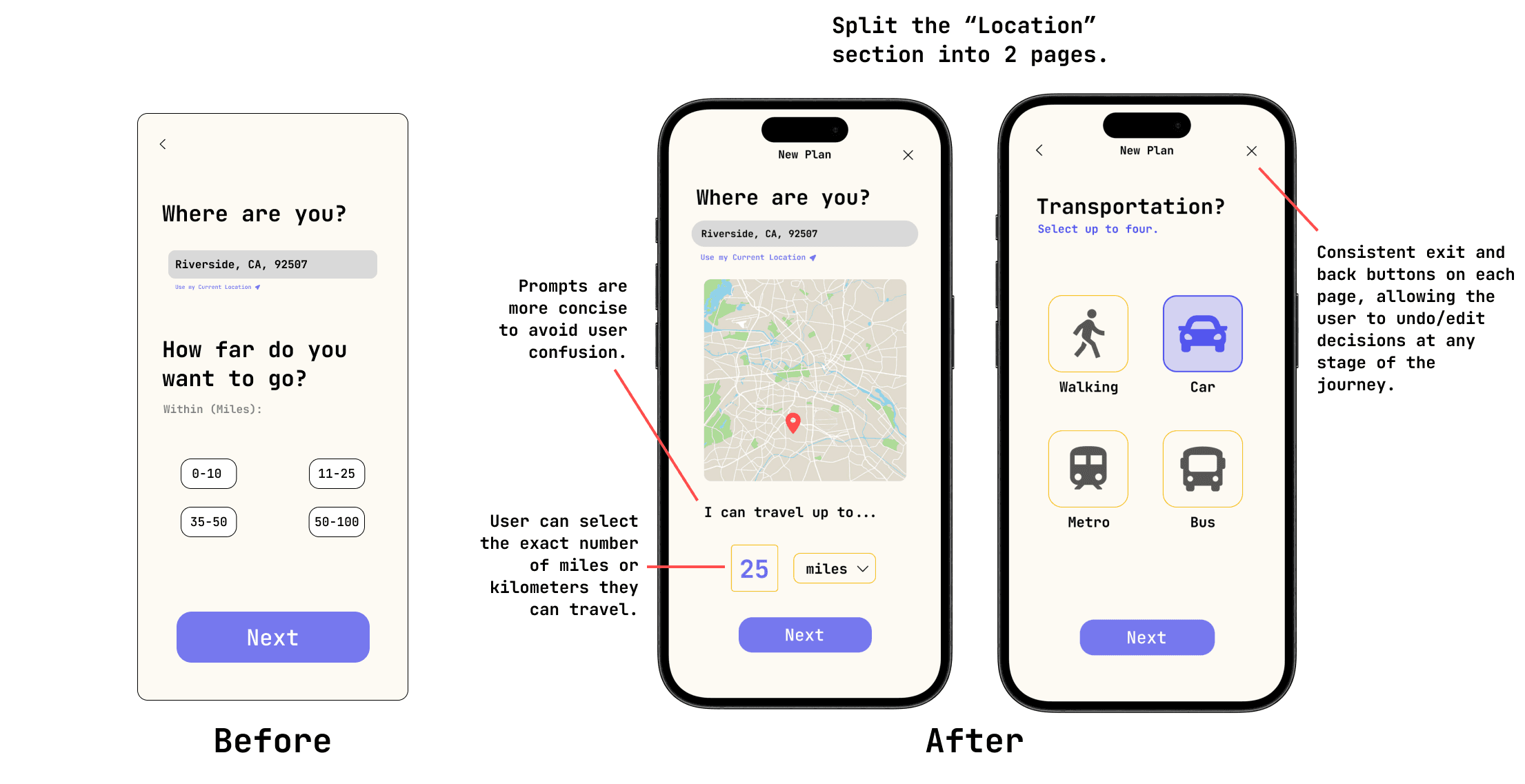
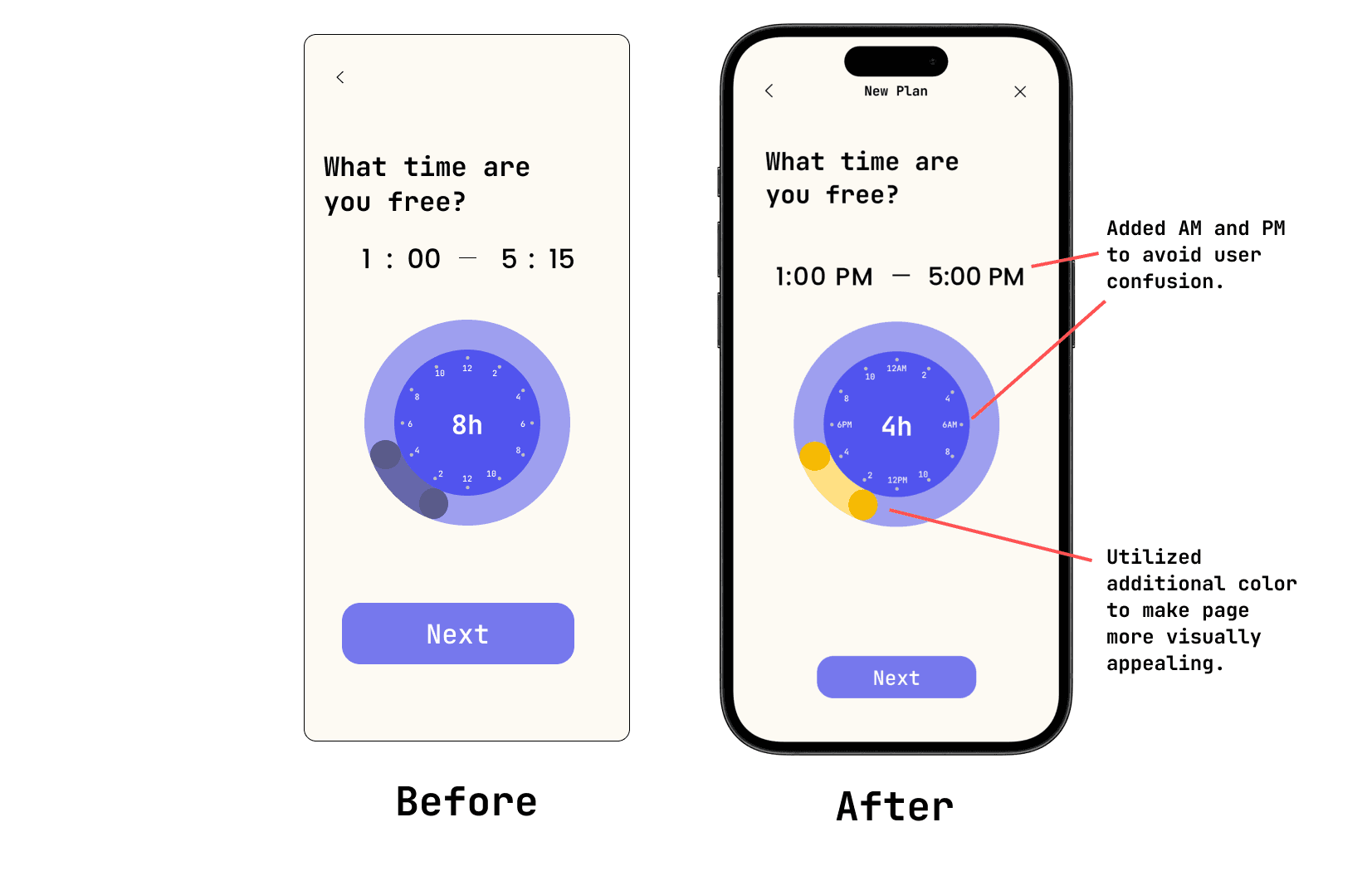
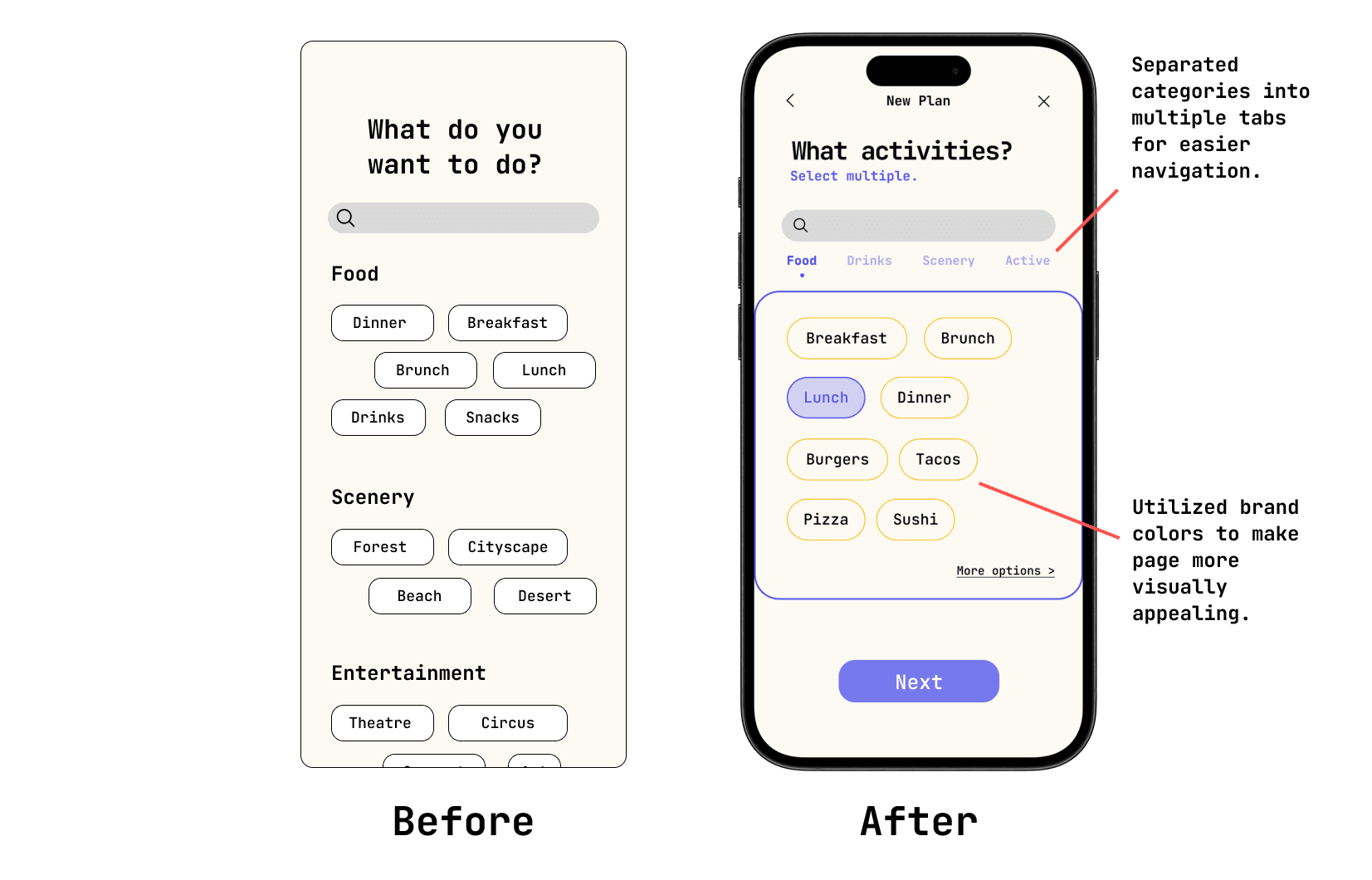
Design doesn't just end after a product is complete. After the competition I revisited Scurry to see what refinements I could make to the app's design in order to further improve the user experience.
Reflection
Designverse was one of the most impactful experiences I've had in growing as a designer; I not only learned how to successfully design a functional solution that addresses user needs under a short time frame but also how to cohesively work with other team members in a design environment.
